California EMDR Therapy
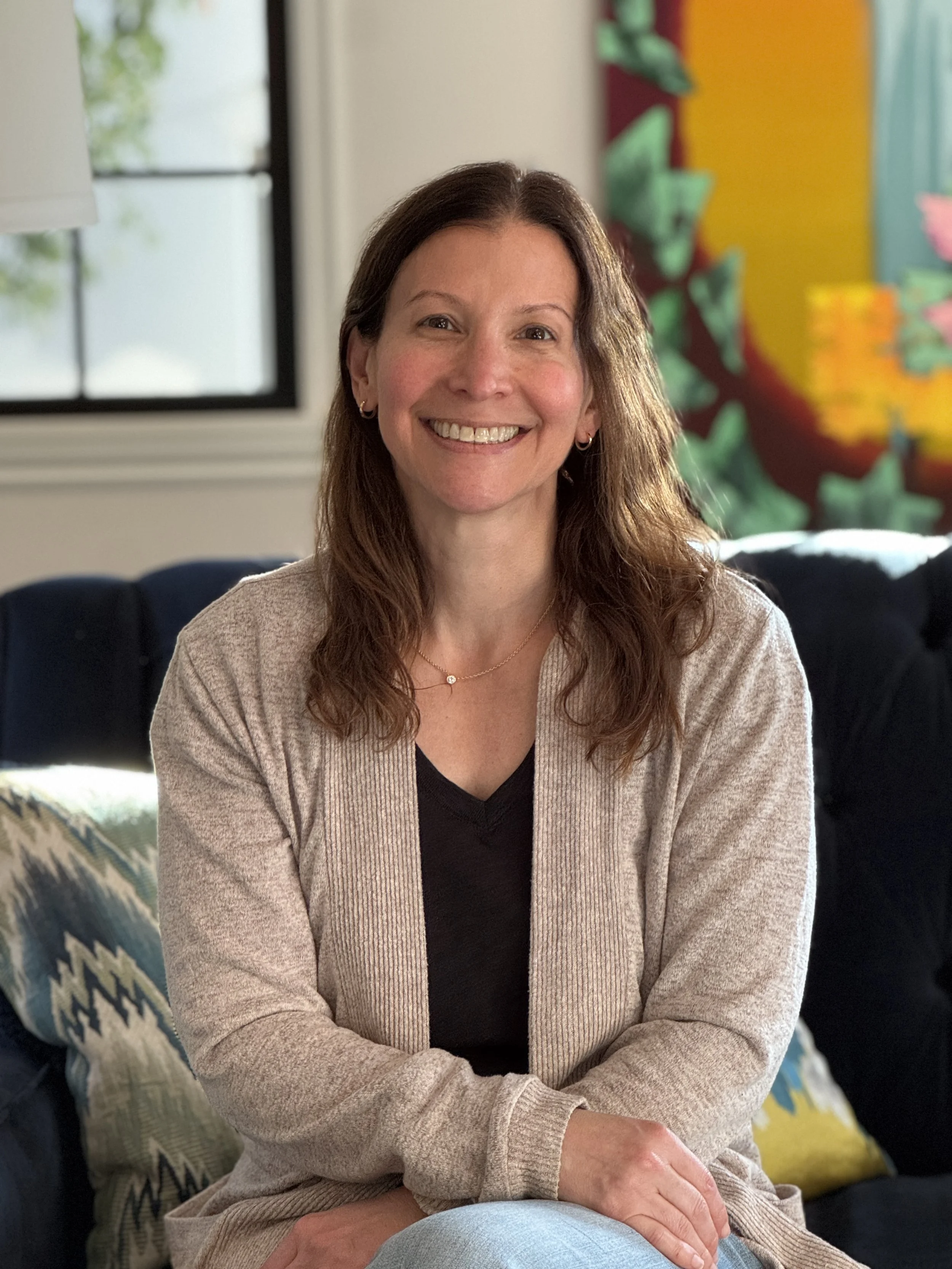
With Julie Gerber, MA, AMFT, APCC

I use EMDR therapy plus an attachment-focused lens. Together, they let us get to the root of trauma so your nervous system can finally let it go.
Has talk therapy only gotten you so far?
Does your mind understand something is over, but your body still reacts like it’s happening now?
Trauma isn’t always one big event. Sometimes it’s the slow build over years: feeling unseen in childhood, relationships that left lasting wounds, pressure to perform.
Patterns that once helped you survive can quietly keep you stuck long after the danger has passed. EMDR helps your brain and body process those experiences so they no longer control how you feel day-to-day.
EMDR Therapy Helps Clients Who
Trigger easily
Have anxiety or depression
Can’t sleep
Overthink everything
Live on high alert
Lack motivation
Have past trauma
You don’t need a formal trauma diagnosis to benefit from EMDR.
If something from the past still feels heavy or unresolved, my therapy helps.

What EMDR Therapy With Me Looks Like
My EMDR work combines traditional psychotherapy with EMDR processing so therapy feels individualized, supportive, and paced around your readiness.
We move carefully and intentionally. EMDR gives us a clear structure, but you guide the pace. Some sessions focus on processing memories. Others focus on grounding, understanding patterns, or building emotional stability.
The EMDR Process
We Start With Safety
Our early sessions focus on trust and stability. You will learn to recognize when your nervous system becomes activated and how to calm your body before things spiral.Your Body Leads The Work
We explore your trauma timeline by noticing what your body and mind bring forward. There is no right or wrong way. We follow your internal cues.One Memory At A Time
We process experiences gradually so they lose their emotional intensity. You will still remember what happened, but it will no longer feel like it is happening right now.You Set The Pace
There is no fixed timeline. Some people notice relief right away, while others move more slowly depending on their experiences and goals.
Modalities I Use in Session
-
Helps the brain reprocess traumatic memories so they lose their emotional intensity and stop triggering your nervous system.
-
Explores how early relationships shaped your sense of safety, trust, and connection.
-
Identifies thoughts that fuel anxiety, shame, or self criticism and replaces them with more balanced perspectives.
-
Recognizes how trauma lives in both the mind and body so healing happens safely and gradually.
-
Helps calm the nervous system and build awareness of emotional and physical responses.

Shape The Life You Want
As you process and settle trauma,
you notice real shifts in daily life.

After EMDR Therapy, My Clients Report:
Feeling calmer
Less overthinking
Sleeping better
Less intense triggers
More confidence
Stronger boundaries
Healthier relationships
Hope about the future
About Julie Gerber, MA, AMFT, APCC
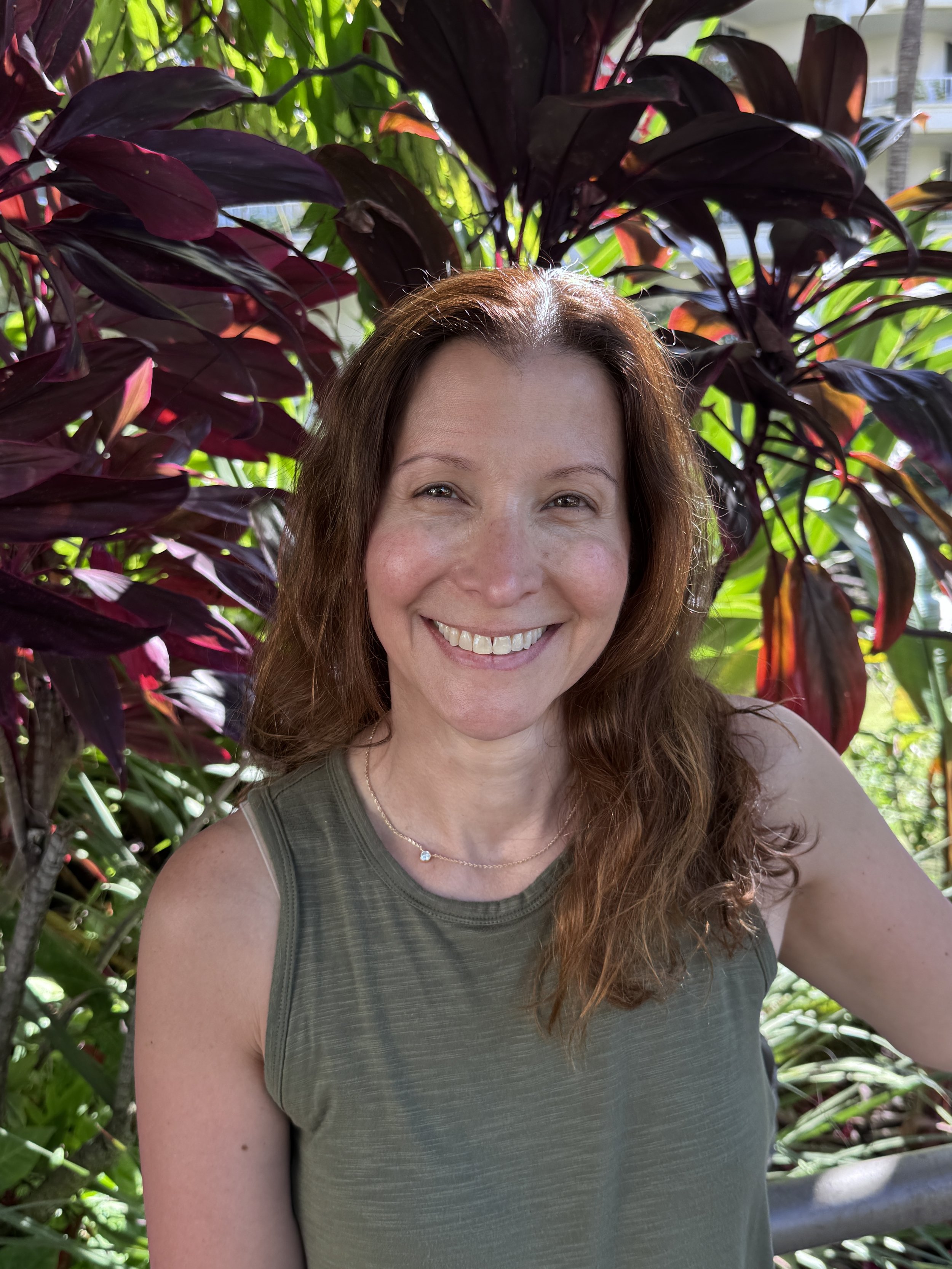
My work focuses on helping people understand the deeper patterns that shape how they feel, react, and relate to others. EMDR can be a powerful tool when traditional talk therapy has not fully resolved what someone is carrying.
Before becoming a therapist, I was a California attorney. That background gave me a unique insight into how challenging relationships can be, whether with family, friends, or professional colleagues. That path led me to therapy, where I now help clients process trauma and build stronger relationships with themselves and others.
Clients often describe me as warm, compassionate, and easy to talk to. In sessions, I aim to be an accurate mirror for what is happening beneath the surface and help connect dots you may not have seen before.
I am also a mom to three boys. Outside of therapy, I enjoy running, reading, and listening to audiobooks on long walks.
Availability: I work with clients via Telehealth across California.
Education, Credentials, & Trainings
MA, Clinical Psychology, Antioch University Los Angeles
Associate Marriage and Family Therapist (AMFT)
Associate Professional Clinical Counselor (APCC)
J.D., Loyola Law School
B.A., Brown University
3 Steps To Get Started
-
Fill out the contact form and share a little about what is going on. If I’m not the right fit, I will try and help connect you with someone who may be.
-
We’ll schedule a short consultation to talk about what you are experiencing and see if working together feels like a good match.
-
We’ll begin building trust, understanding your history, and deciding together how EMDR therapy can best support you.